
Our Story - The Dwarika’s
Our Philosophy
Long before The Dwarika’s became a haven for travellers, it began as a question posed by one man to his own city: what happens to heritage when progress forgets it?
The Dwarika’s
Our History
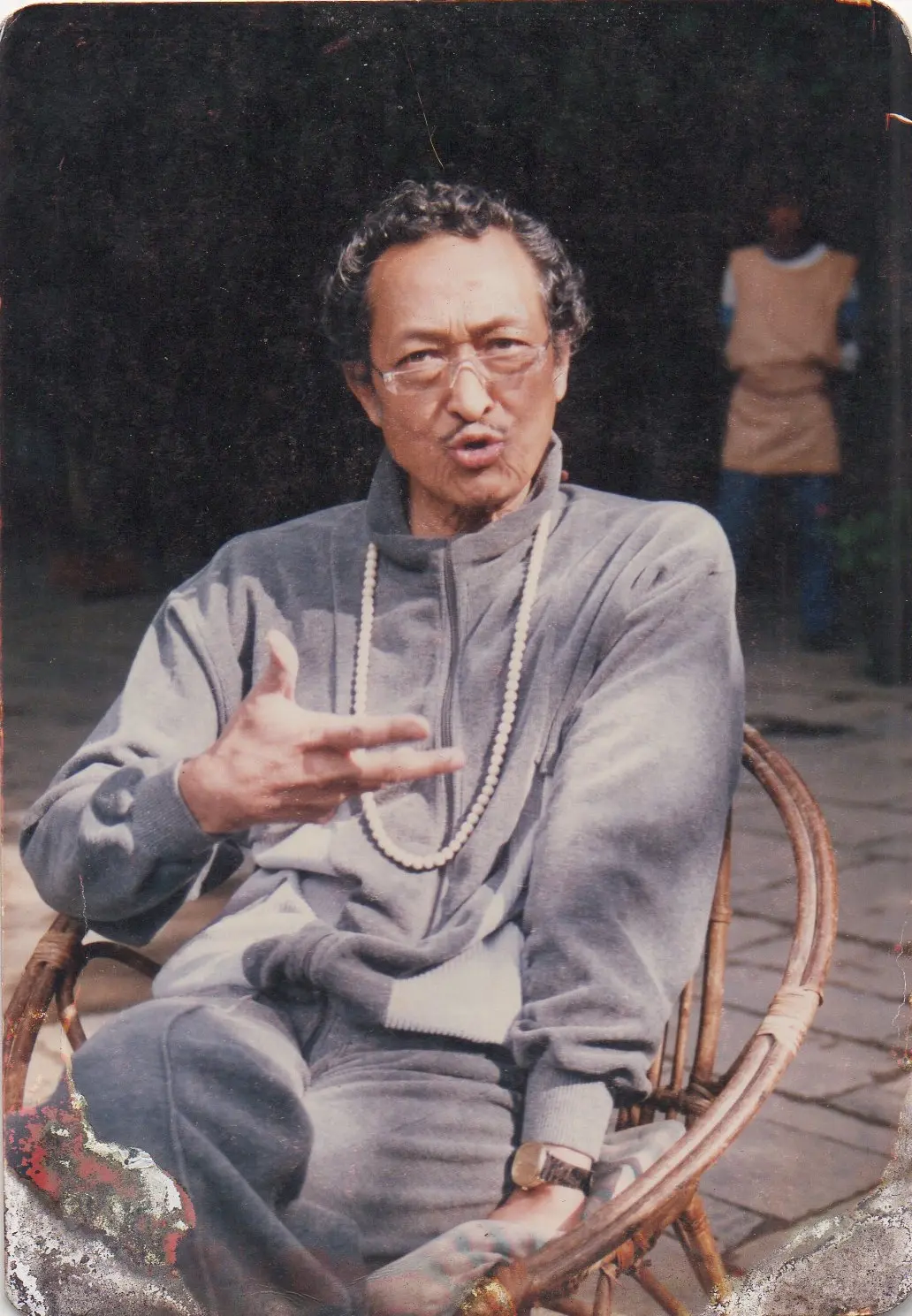
Founder Dwarika Das Shrestha – his vision to rescue heritage became a lifelong mission.
Slide 1 of 6
A Continuum of Craft, Memory, and Resilience
-
1952
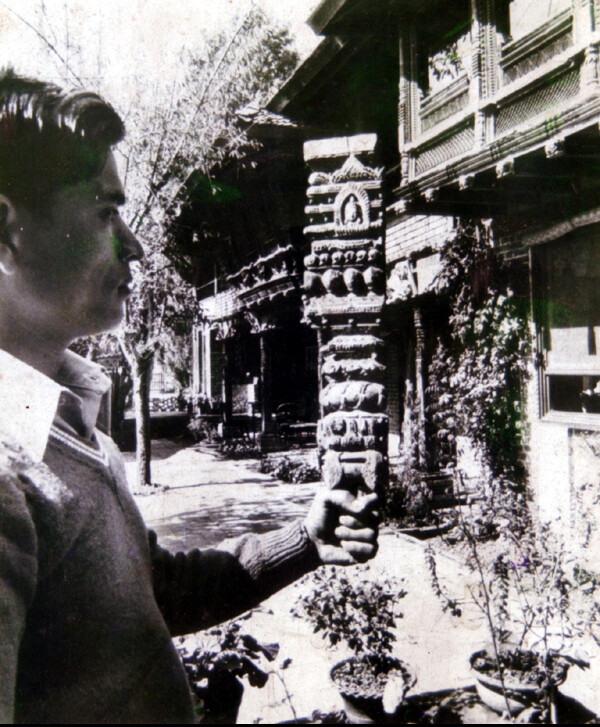
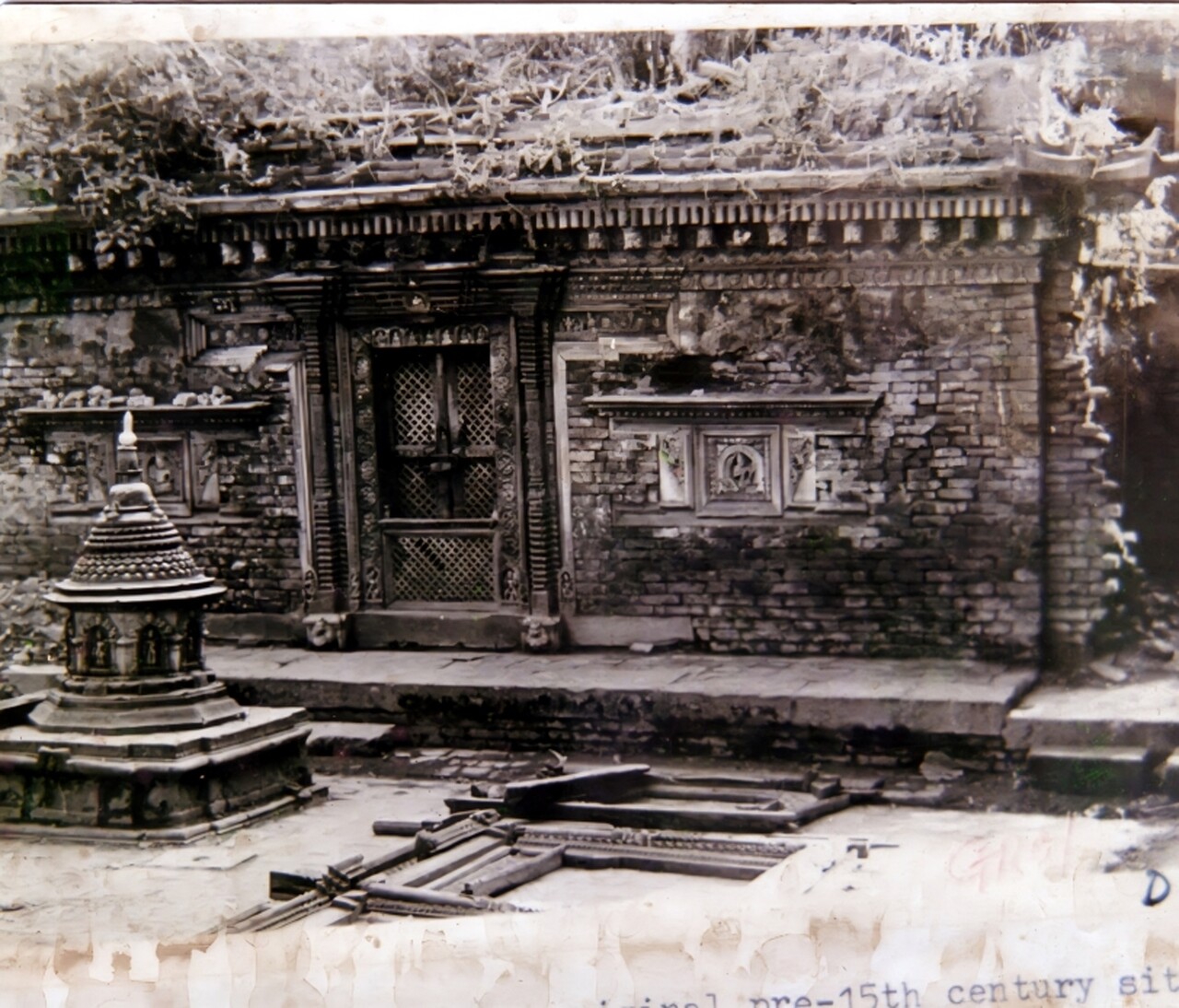
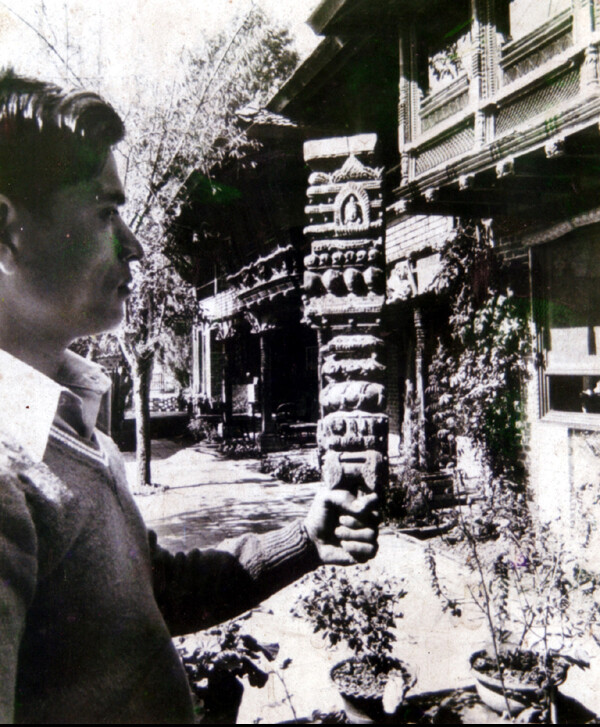
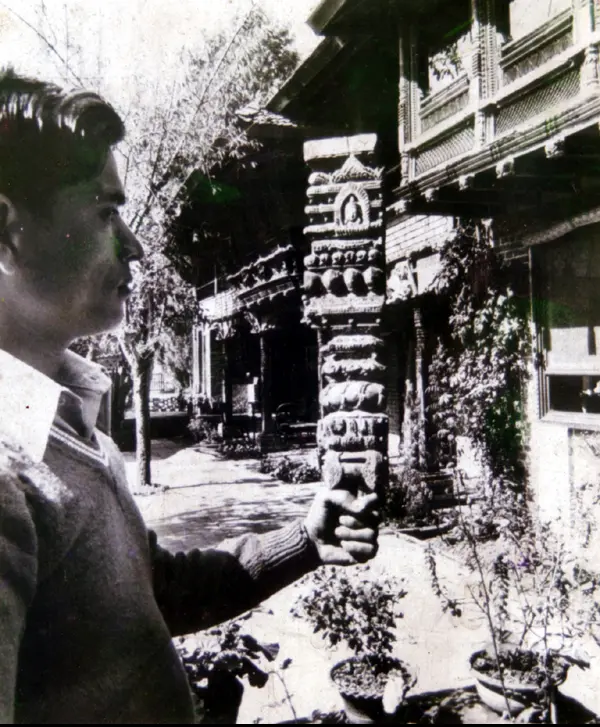
In 1952, while out on his morning run, Dwarika Das Shrestha stopped beside the site of a building being dismantled in Kathmandu.
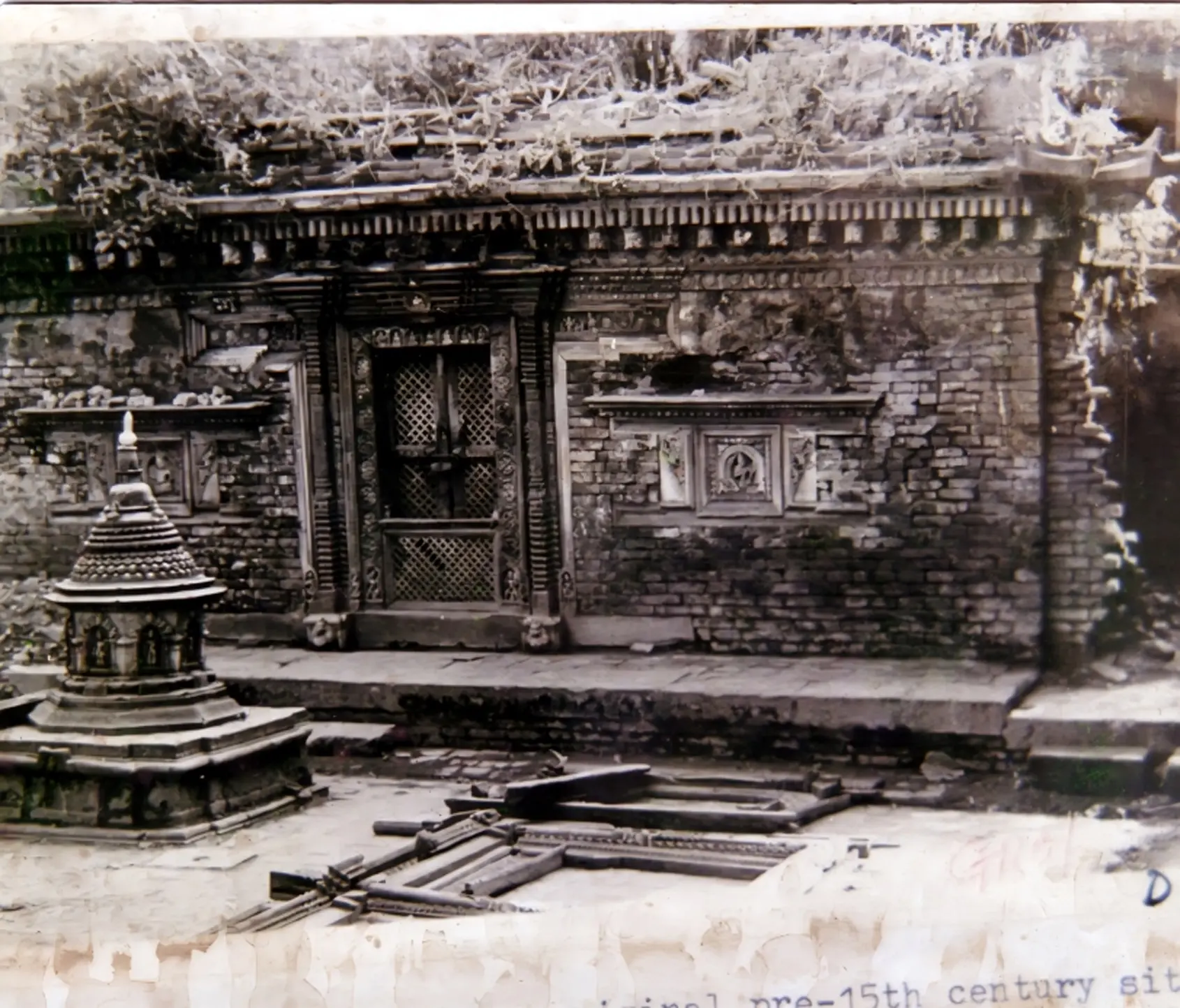
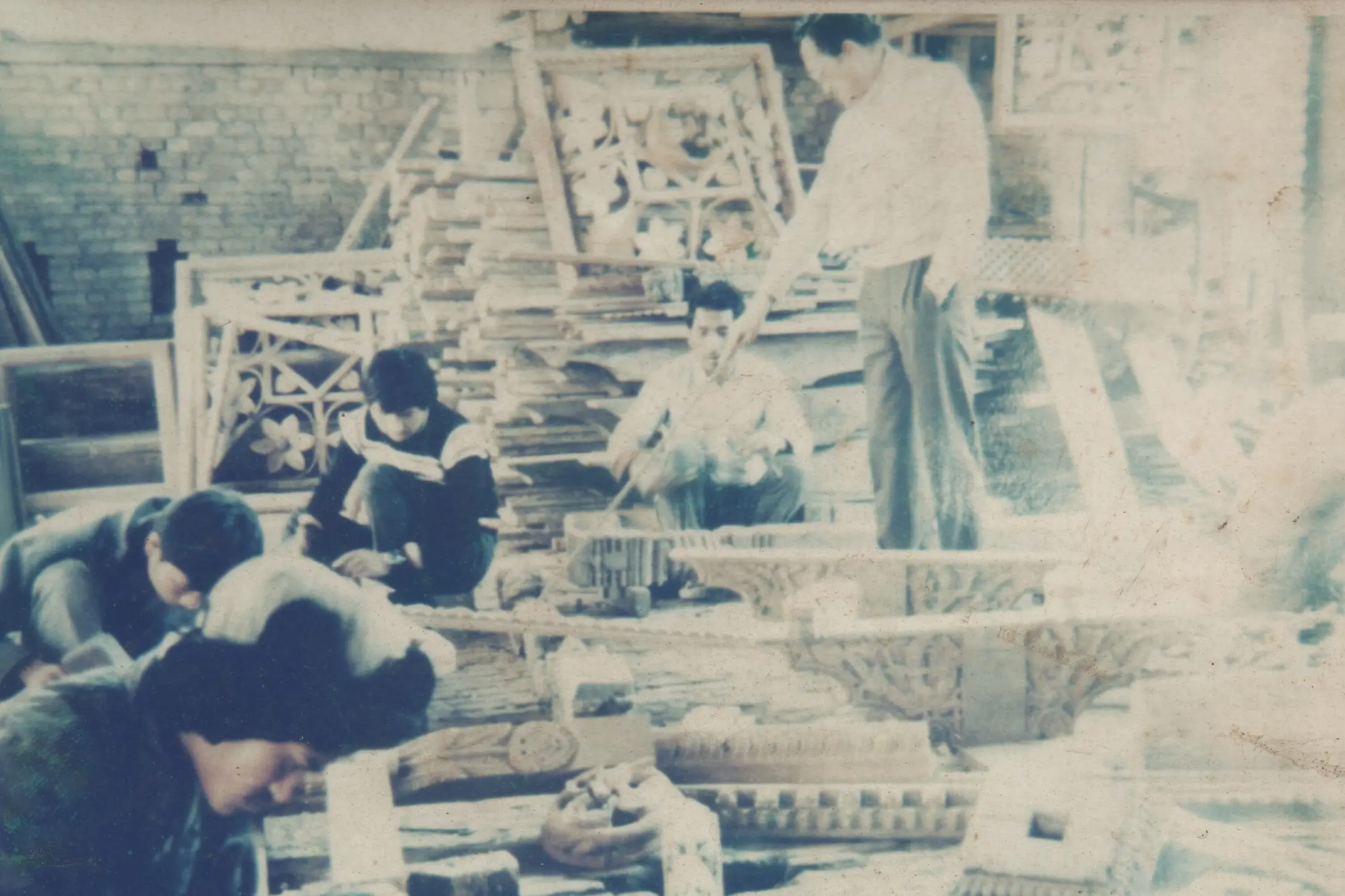
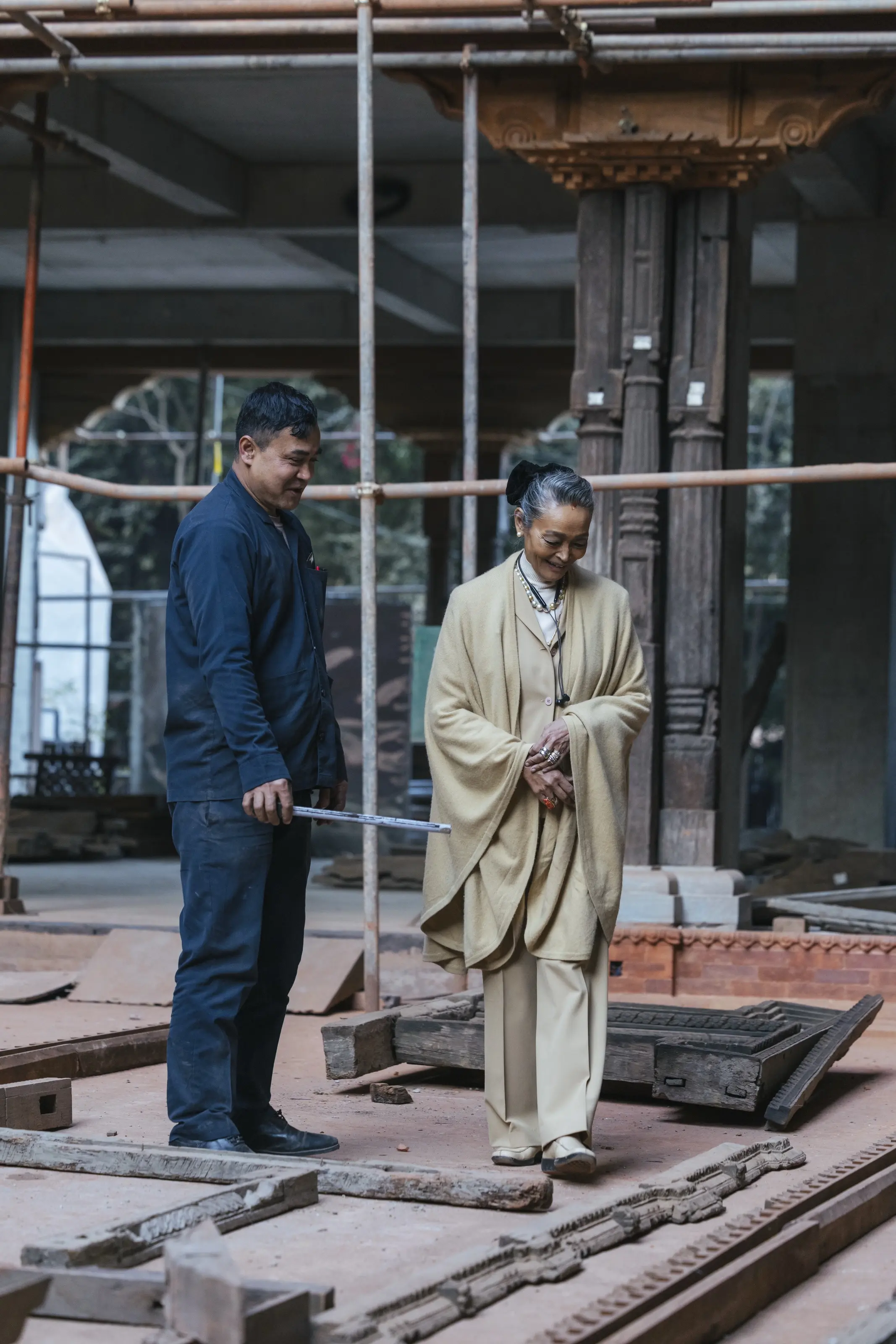
Carpenters were sawing off a portion of an intricately carved wooden pillar — part of an old Newar house being torn down to make way for a modern building. Around them lay fragments of centuries-old woodwork, ready to be carted away as firewood. He bought one piece and carried it home — a simple act that became a quiet turning point. Dwarika saw that progress need not erase the past, and that what was being lost could still be lived with.
-
1956
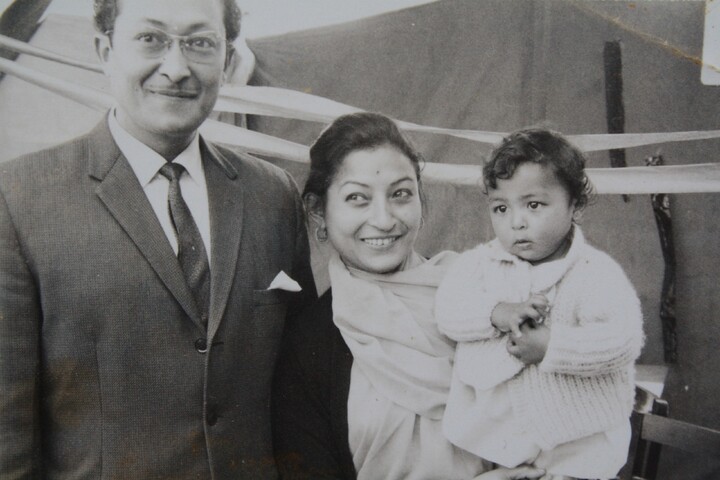
With his wife Ambica, Dwarika began exploring ways to preserve what others discarded, financing his efforts through early ventures in Nepal’s emerging travel industry. Together, they believed visitors would come not only for the mountains, but for the living culture that shaped them.
-
1964
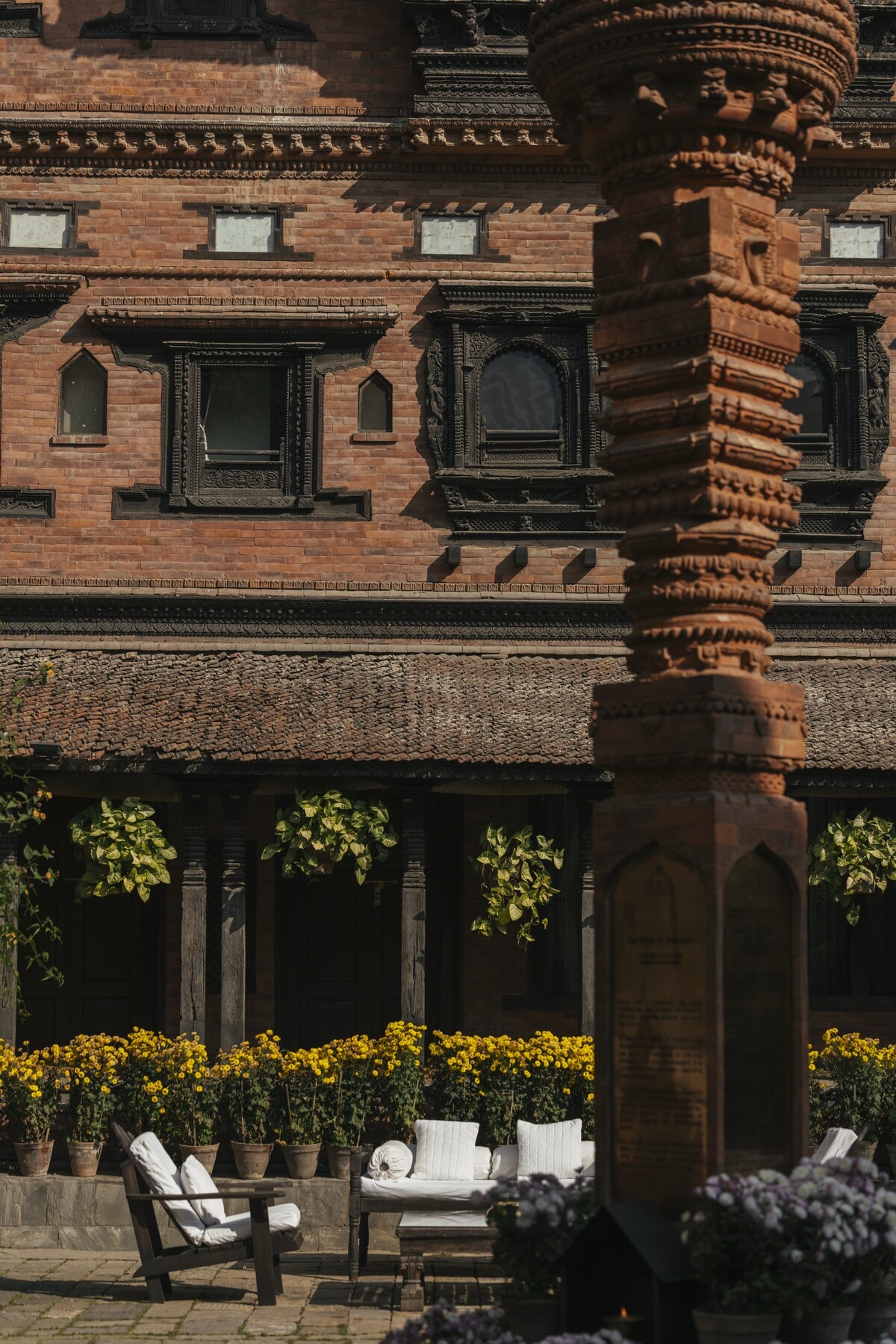
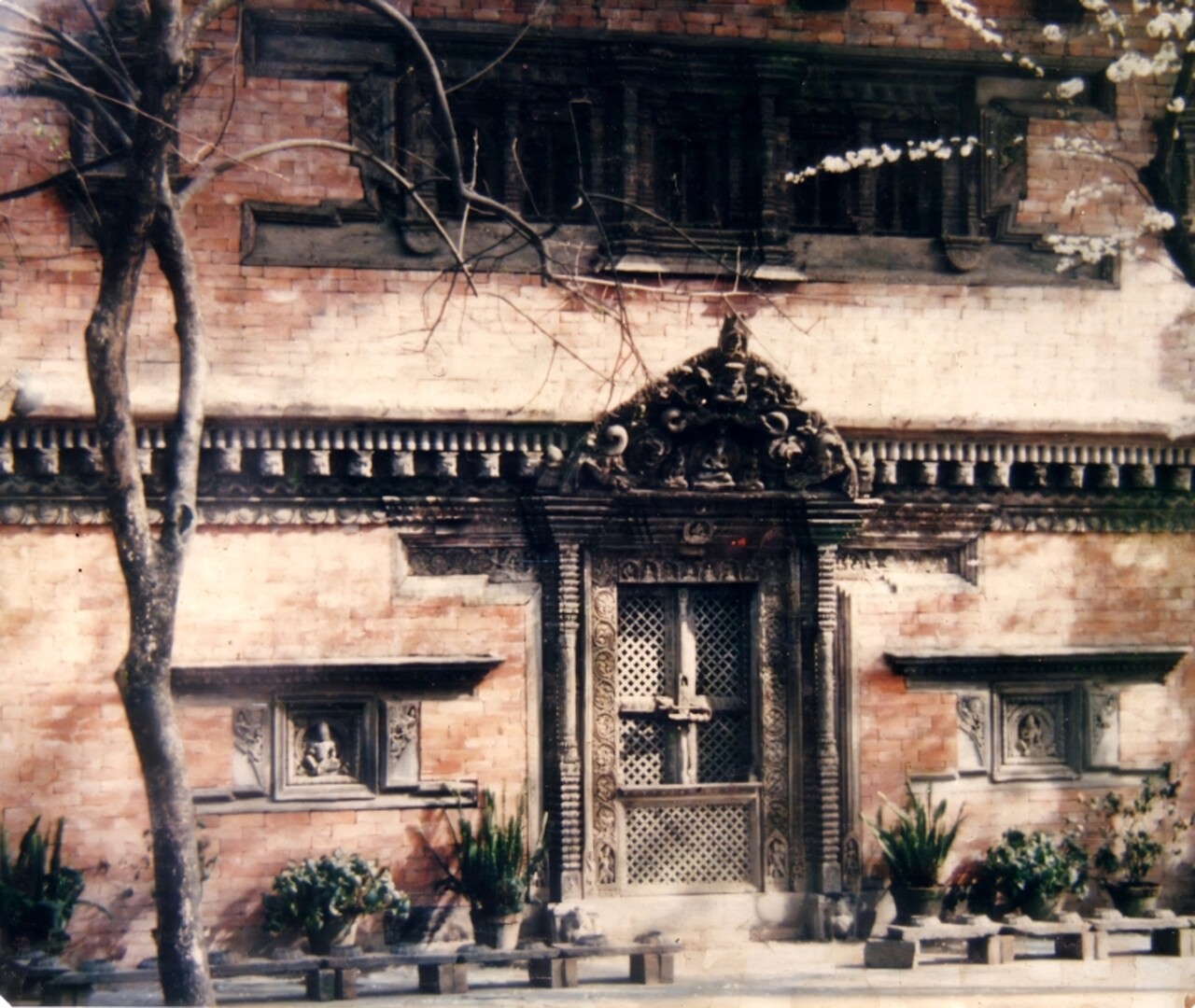
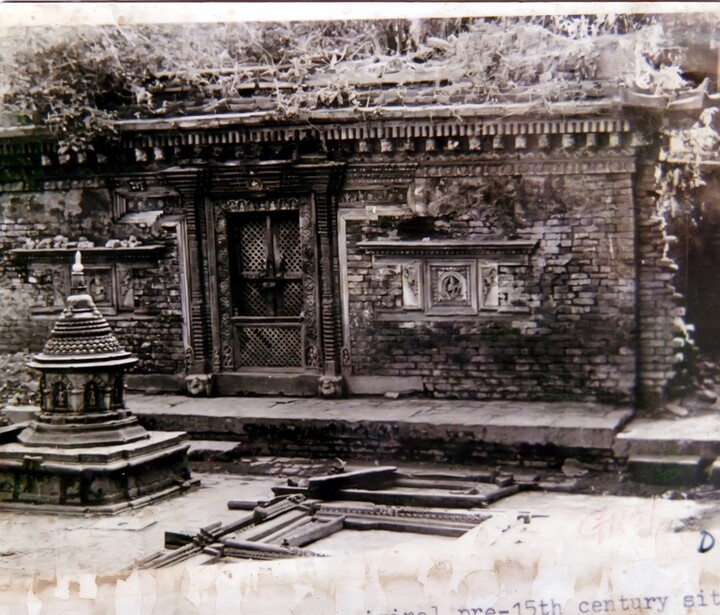
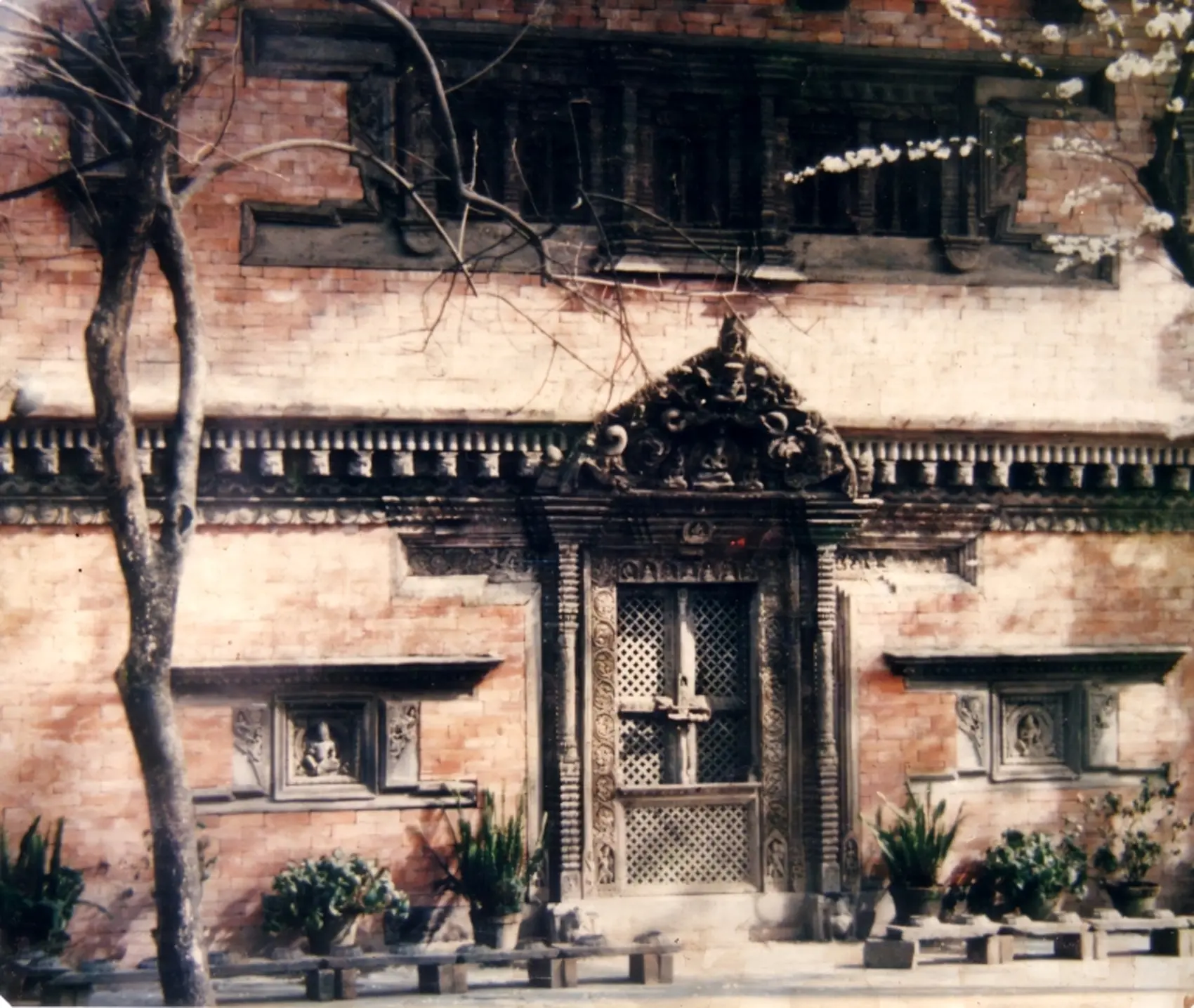
In 1964, he built his first Nepali-style brick house in his garden — a hybrid creation that embedded restored woodwork into its walls: a simple yet profound idea — that heritage endures not in display cases, but in daily life.
From that first house, Dwarika bridged centuries of craftsmanship, joining the long tradition that shaped the Kathmandu Valley — a civilisation of Newar artisans whose wood-and-brick vocabulary travelled far beyond Nepal, influencing temples across the Himalayas and pagodas as distant as China and Japan. Within the Valley, bahal courtyards, stupas, and shrines bound art and life into one — devotion rendered in design.
-
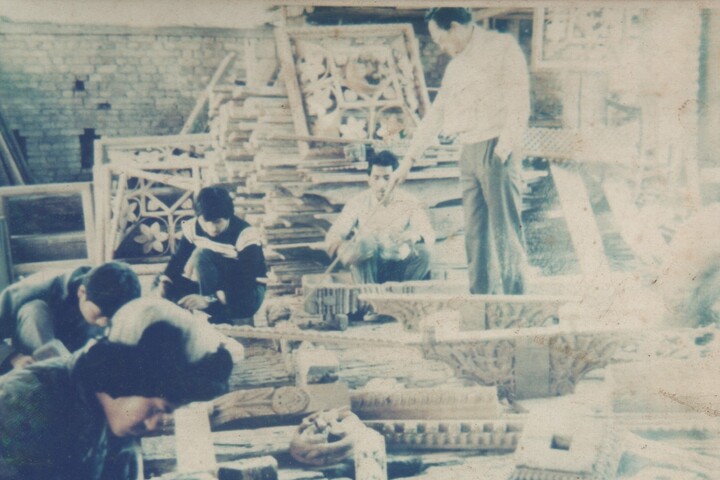
1969
In 1969, he founded Kathmandu Travels & Tours, one of Nepal’s first travel agencies — a way to open the country to the world and sustain his growing work in restoration.
-
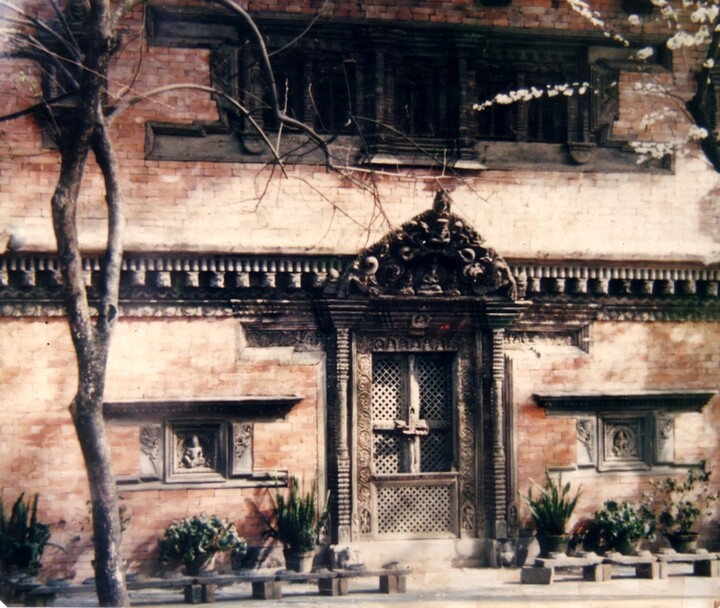
1972
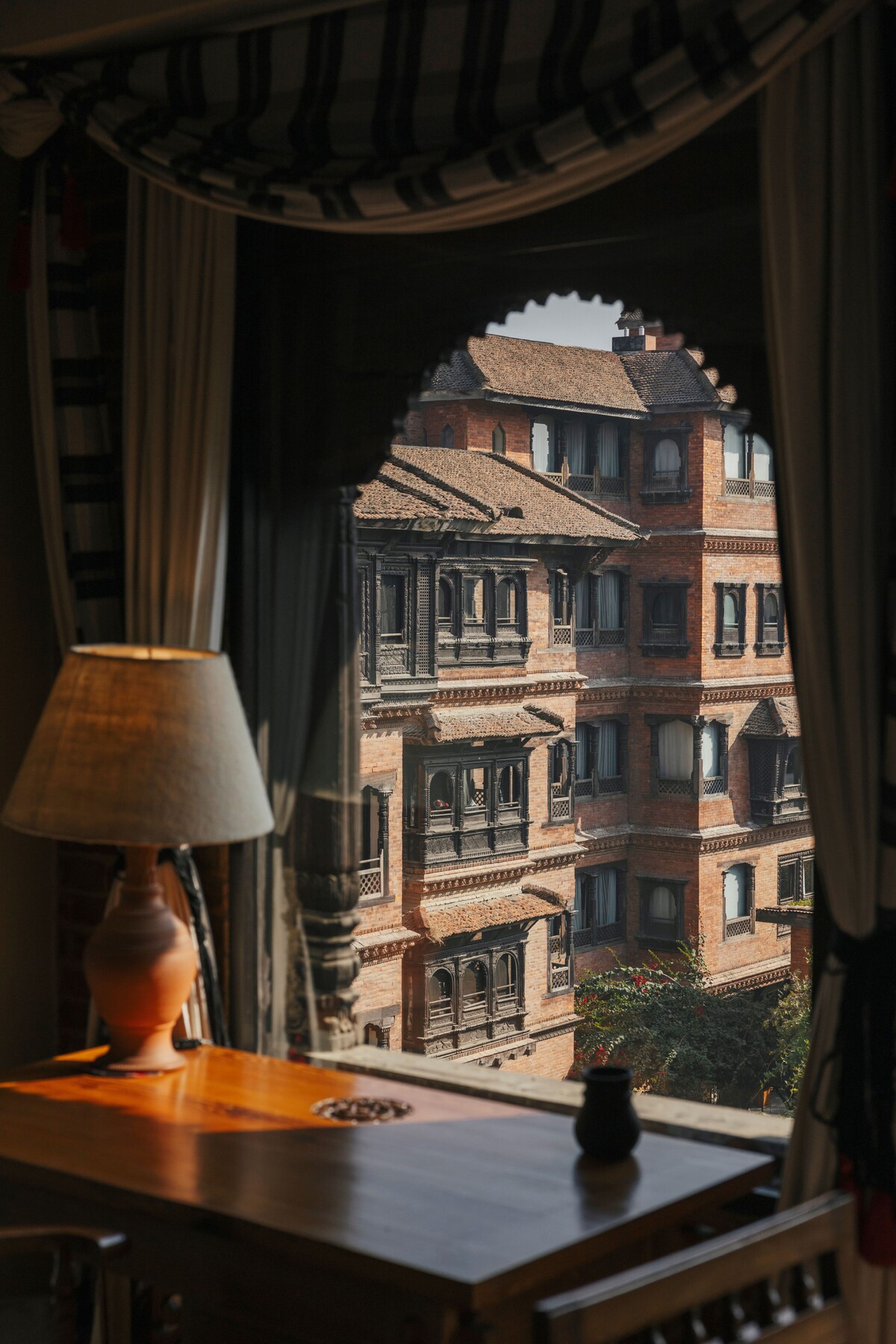
Three years later, in 1972, he opened The Dwarika’s Hotel, conceived as a living museum where every beam, brick, and courtyard carried the stories of the Valley’s artisans.
-
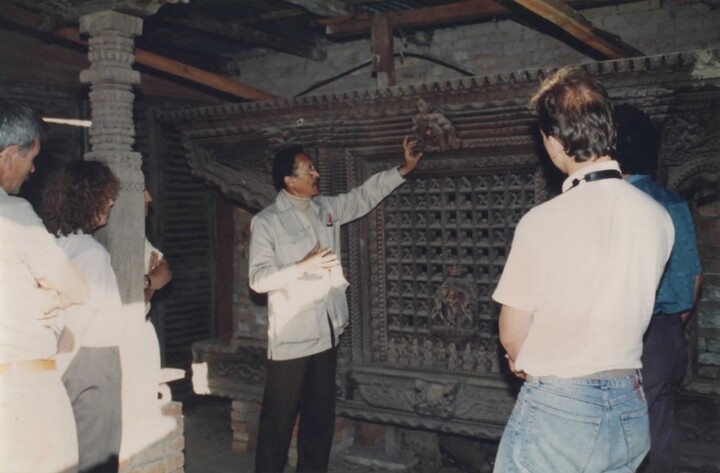
1980
By 1980, the Pacific Asia Travel Association awarded the hotel its Heritage Award.
From one rescued fragment emerged a philosophy: preservation through hospitality — one that keeps craft alive by being lived with. The Dwarika’s Hotel embodies this legacy. Its courtyards and façades integrate centuries-old woodwork, hand-moulded brick, and the architectural language of the Newars. Every detail carries the spirit of the Valley’s craft — restored, reimagined, and placed back in use.
-
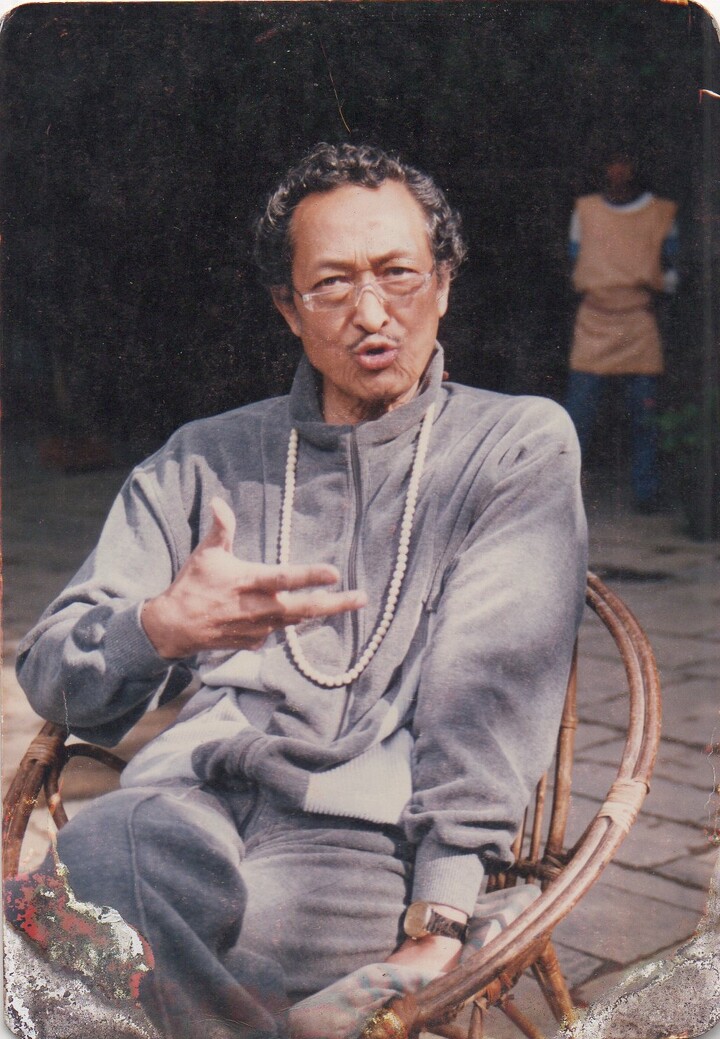
1992
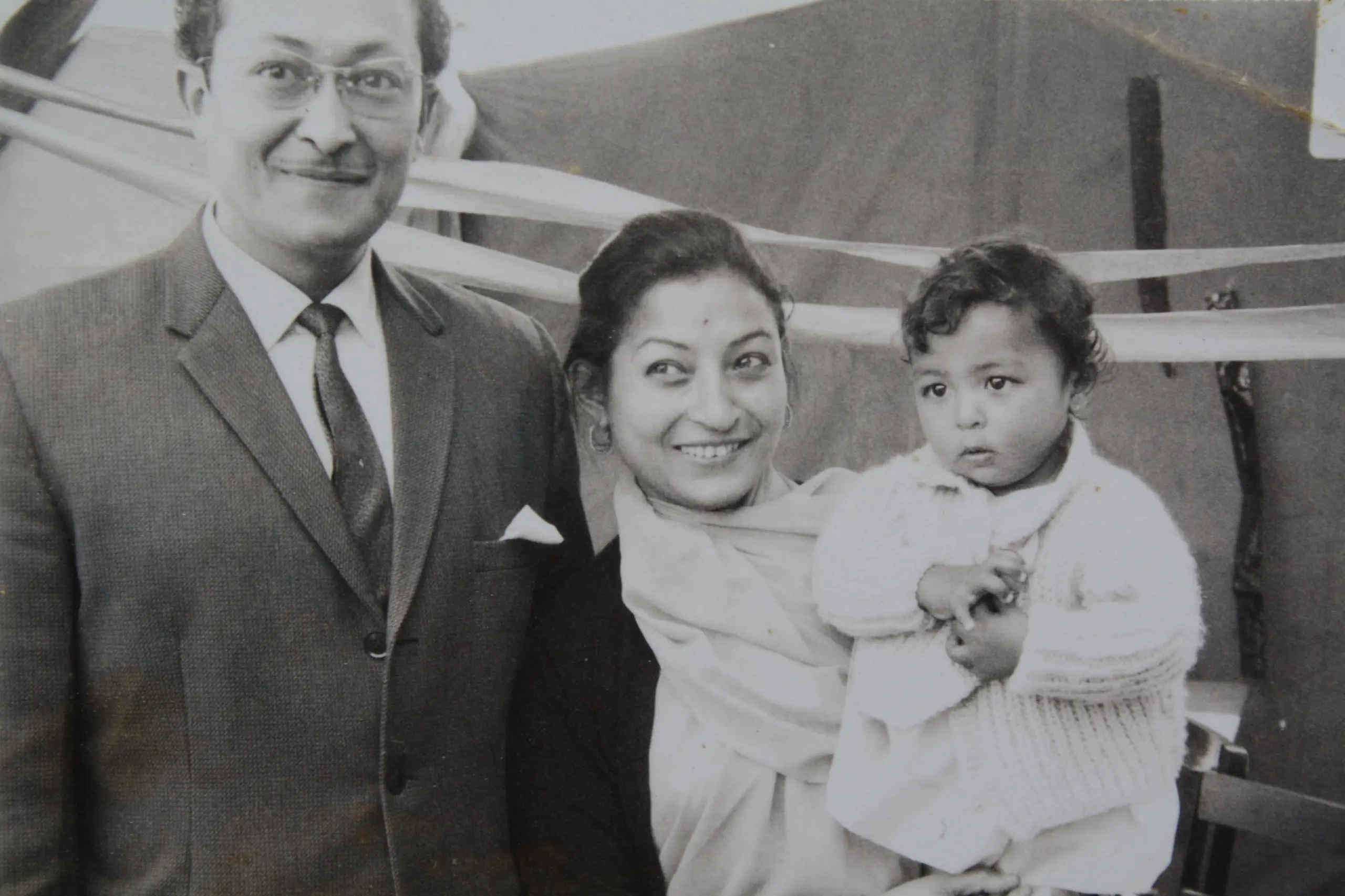
In 1992, Dwarika Das Shrestha passed away, leaving behind more than a hotel — a movement in wood and brick. His wife Ambica carried that vision forward, ensuring that preservation remained inseparable from hospitality.
-
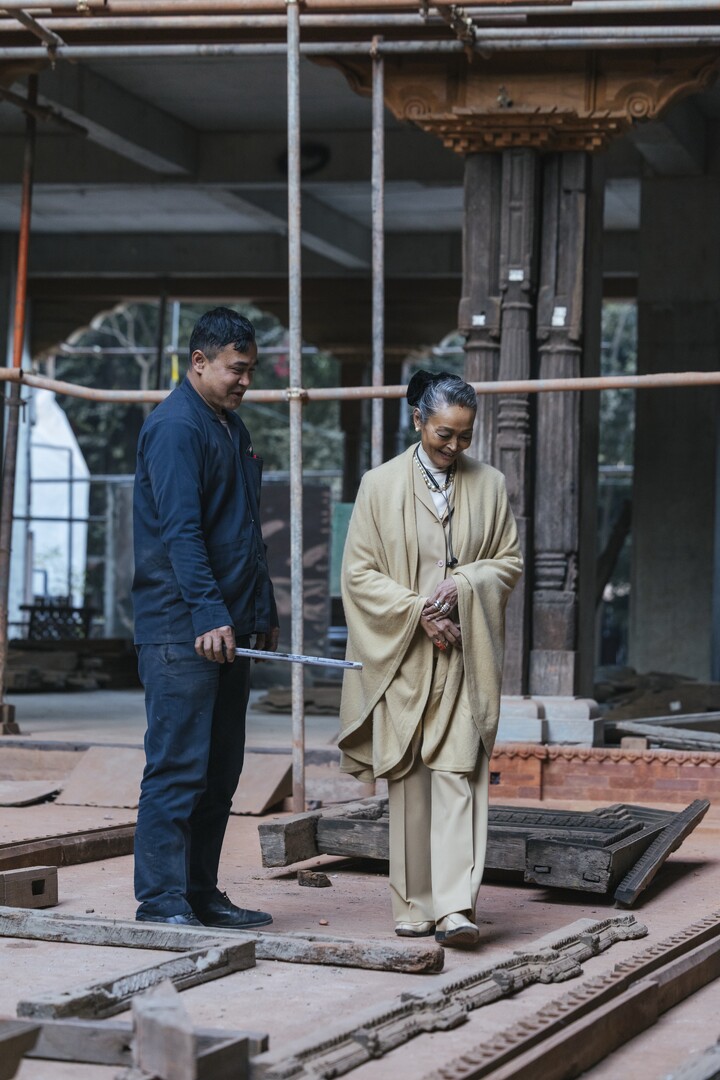
1999
It was their daughter Sangita who steered The Dwarika’s through its most transformative years, culminating in the inauguration of a major new wing in 1999, a milestone that carried the hotel into the 21st century. Under her stewardship, The Dwarika’s refined its aesthetic identity, deepened its cultural and philanthropic reach, and reaffirmed its place as Nepal’s pioneering heritage hotel.
-
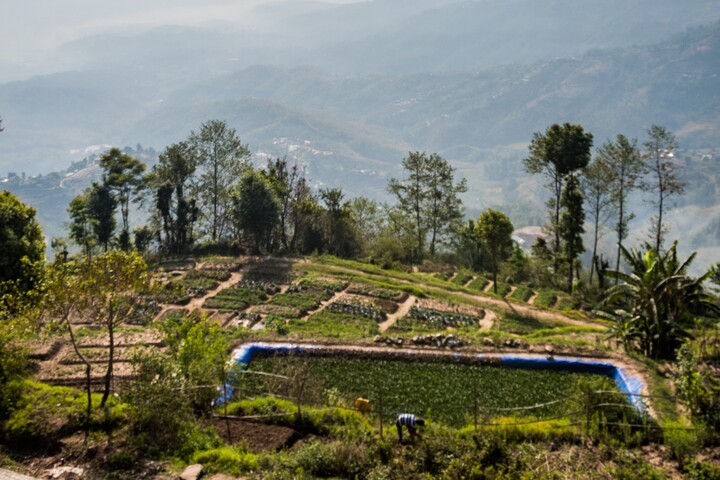
2006
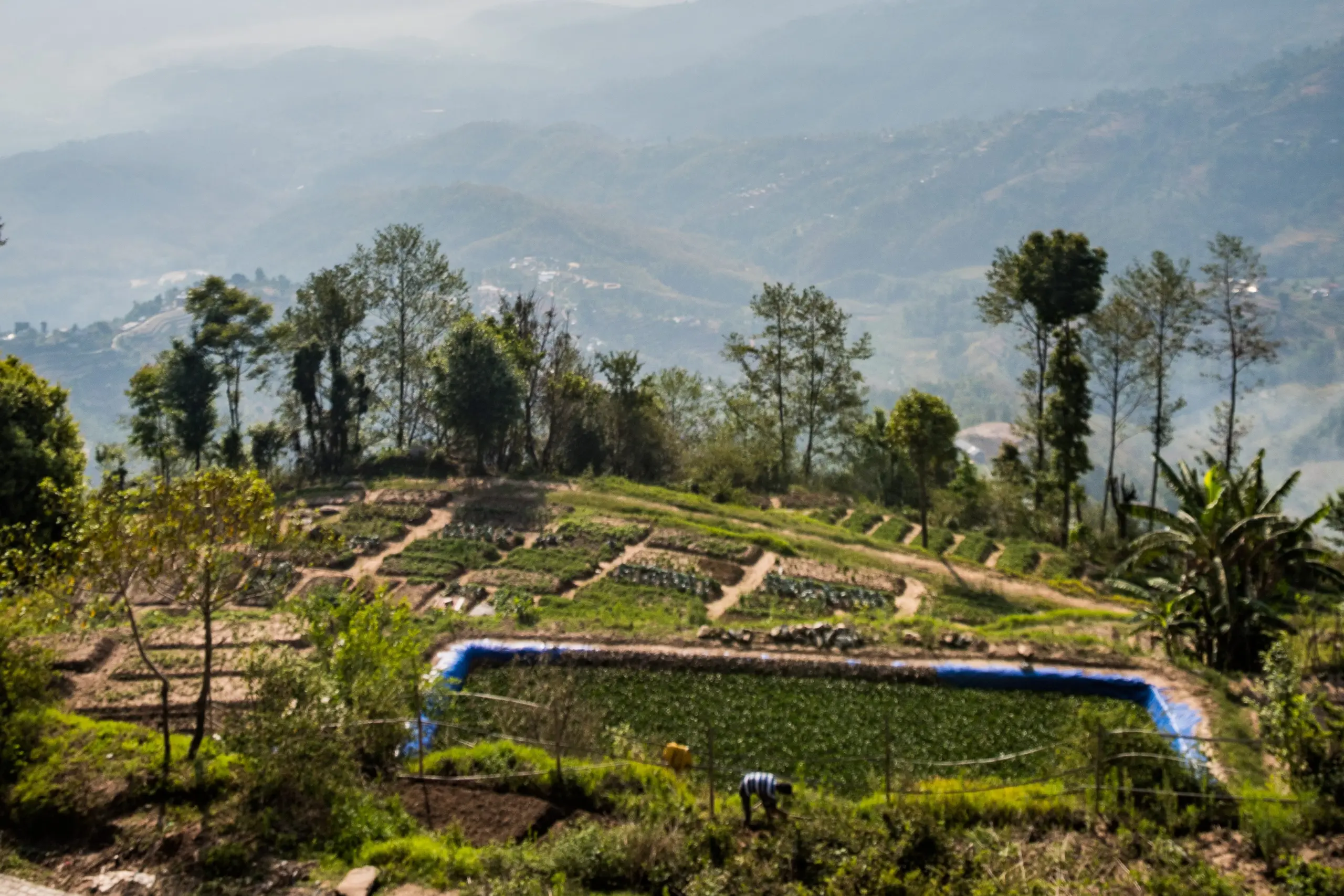
In the decade that followed, Sangita expanded the family’s horizons beyond Kathmandu. In 2006, she discovered the site at Dhulikhel, a serene hillside east of the Valley, where the family envisioned a sanctuary dedicated to Himalayan wellbeing and nature’s restorative spirit.
-
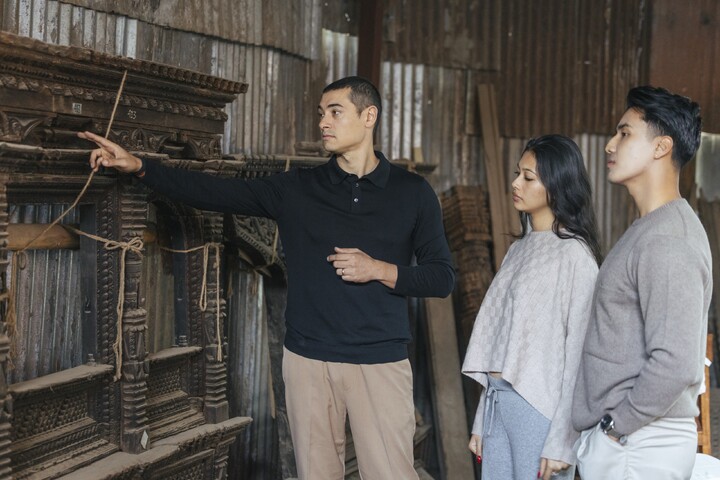
2010
As this new chapter took shape, her son René Vijay Shrestha Einhaus returned from Europe in 2010 to join the family legacy, bringing a new generation’s perspective as CEO of Dwarika’s Collection.
-
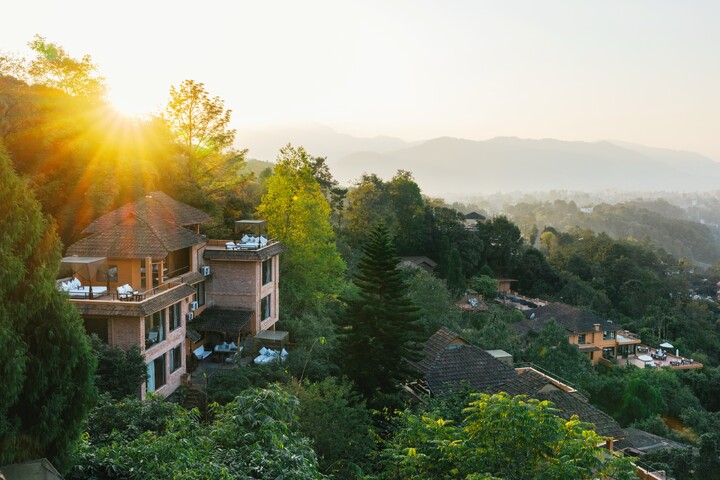
2013
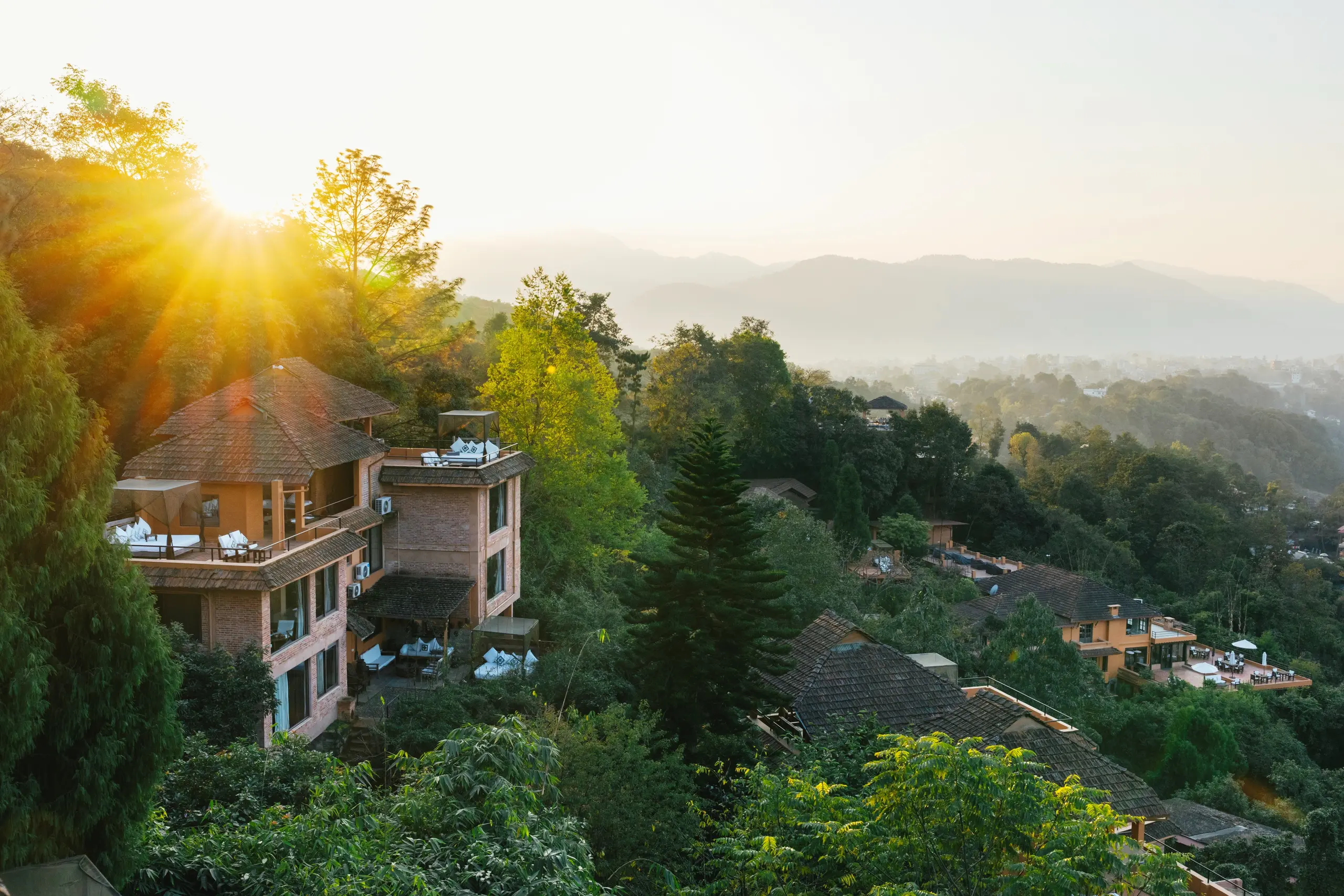
After years of design and thoughtful construction, Dwarika’s Sanctuary opened in 2013, extending the family philosophy from heritage preservation to holistic renewal — a place where the spirit of Dwarika Das Shrestha found new expression in the mountains.
-
2026
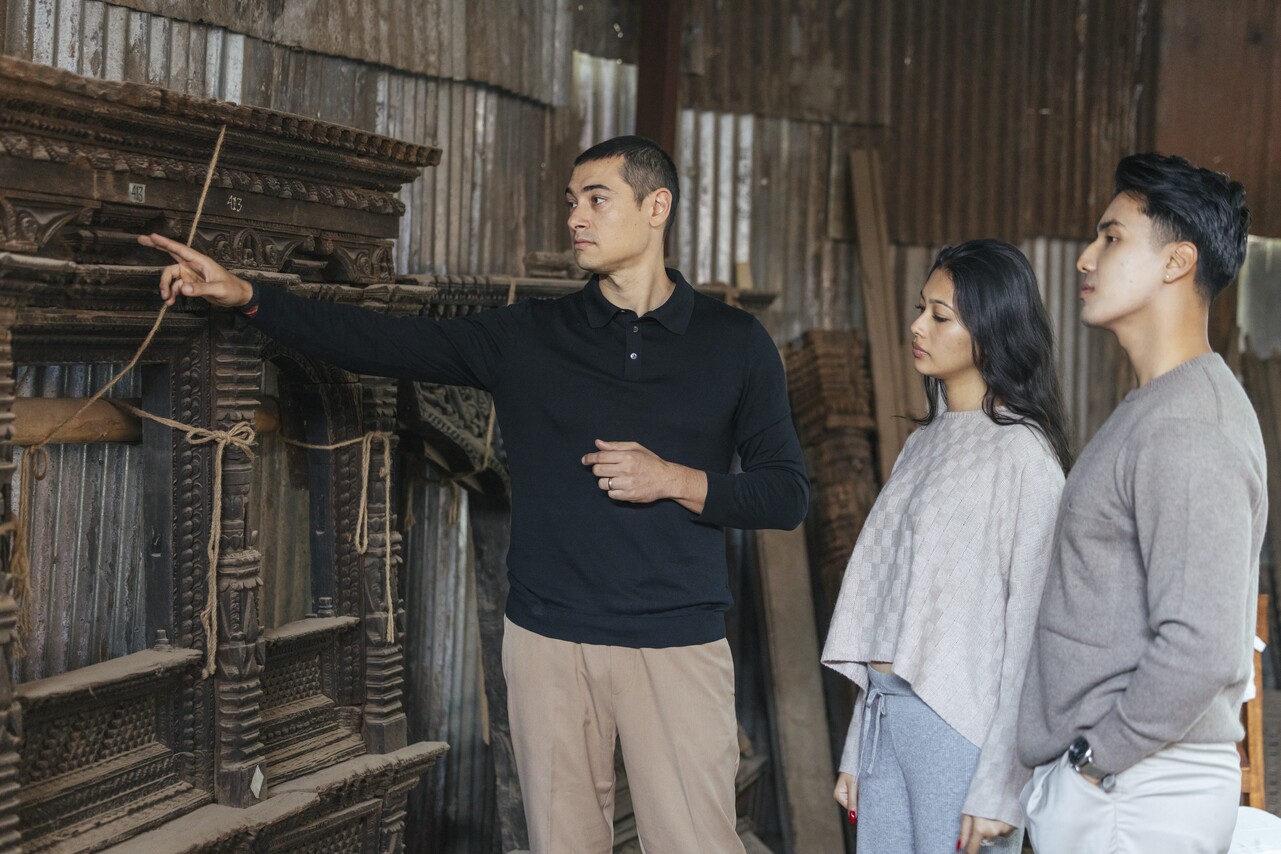
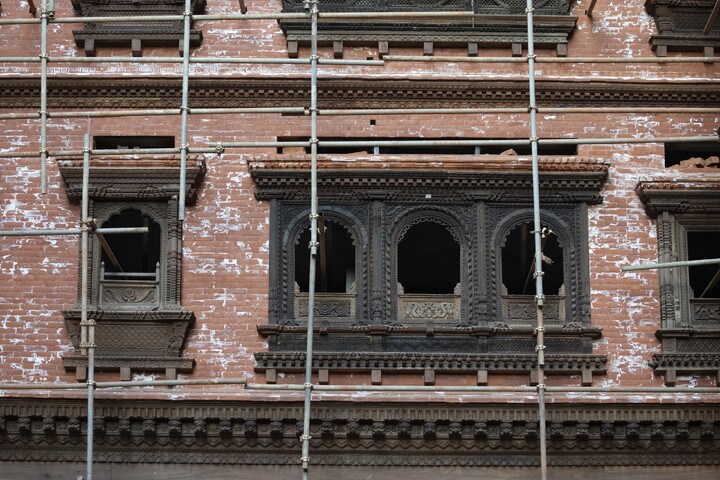
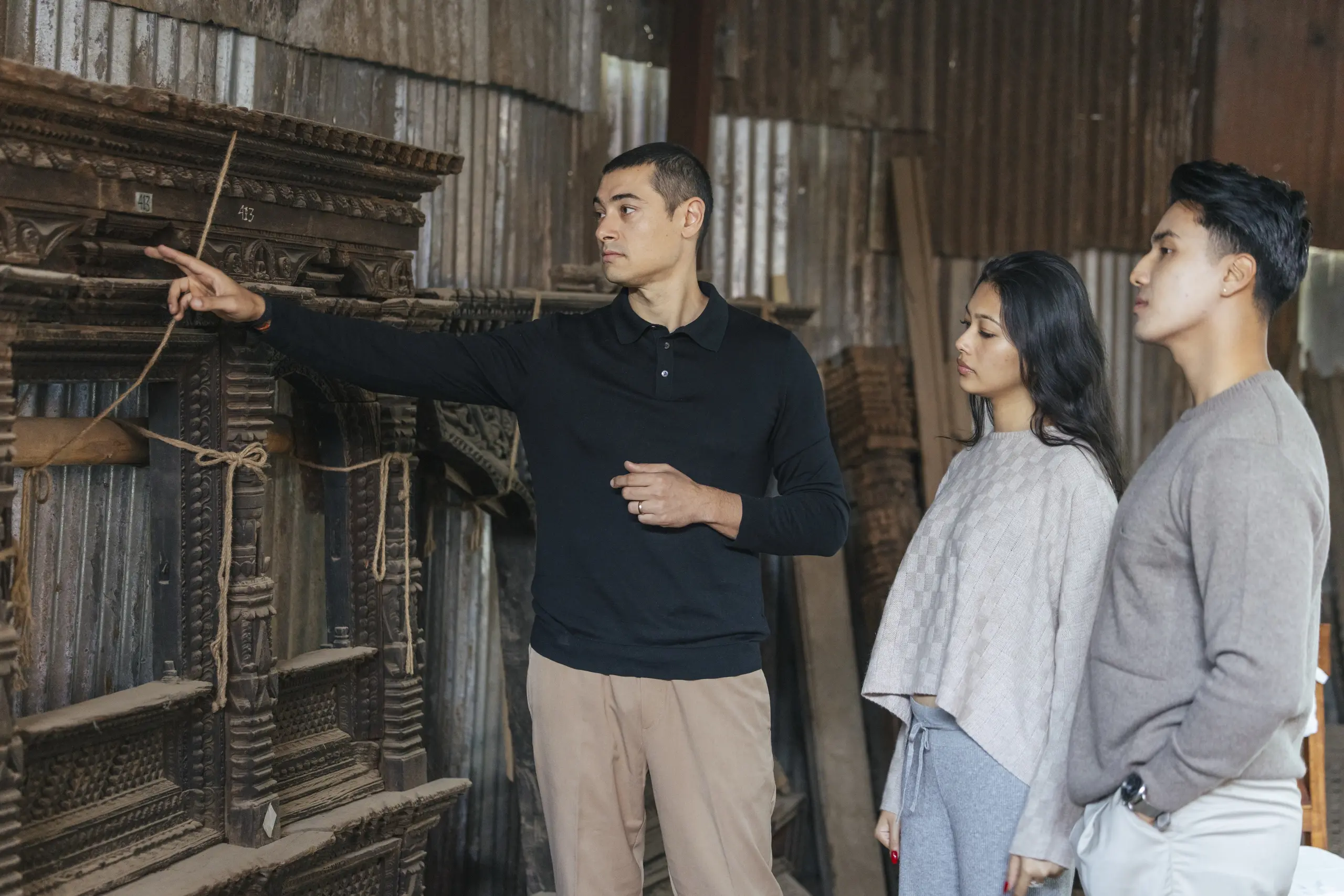
Today, his grandson René Vijay Shrestha Einhaus leads the brand’s next evolution — extending the original hotel with an ambitious new courtyard wing, due for completion in 2026, built from his grandfather’s final collection of rescued wood, and guiding a renewed vision for The Dwarika’s that honours its founding spirit while reimagining Nepali heritage for the world.
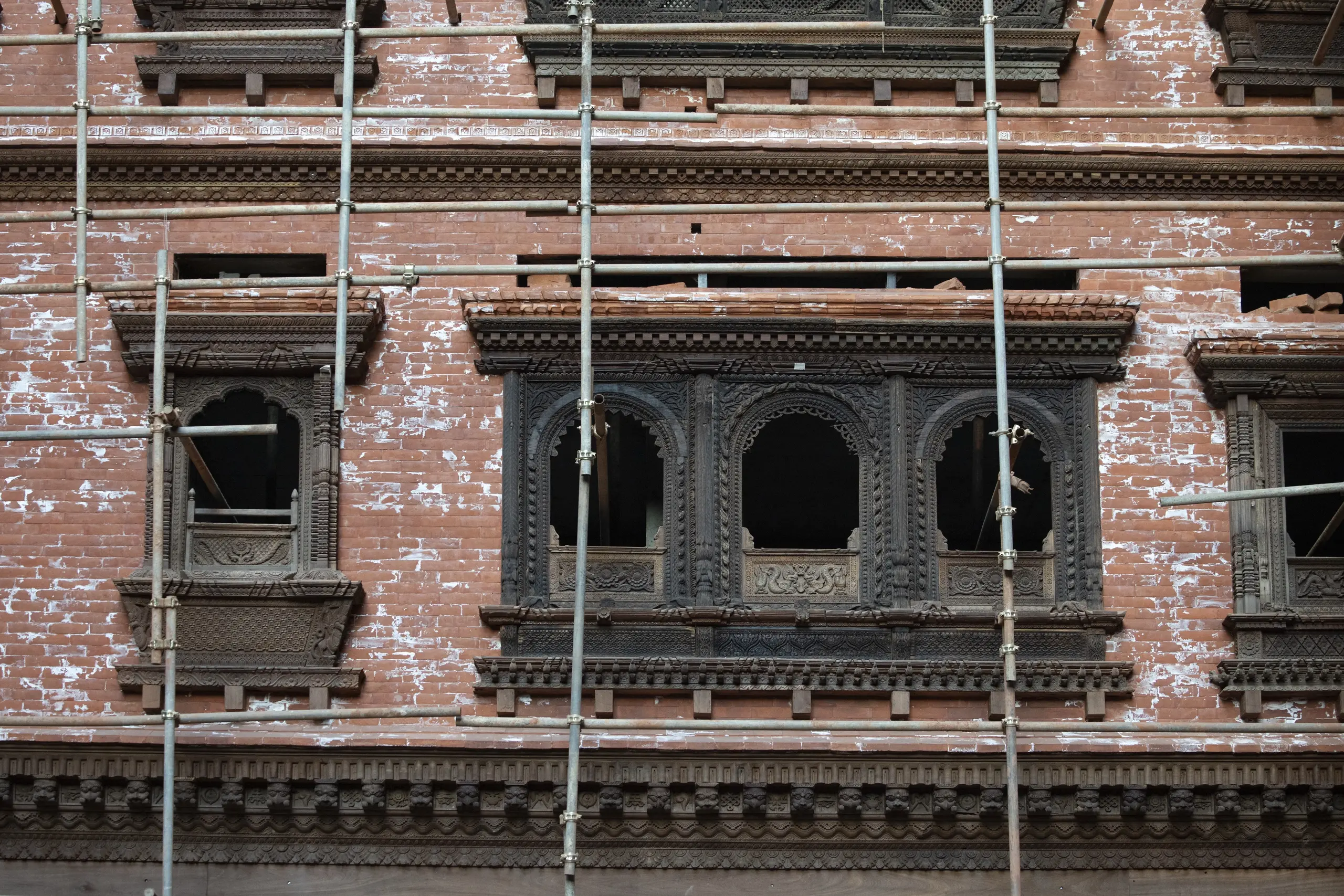
Our Philosophy
What began with one man’s refusal to let a carved pillar burn has become the ethos of Nepali hospitality: heritage as living practice, regeneration as philosophy.
A Family Legacy, Carried Forward
Across three generations, the Shrestha family has carried forward the vision first sparked by Dwarika Das: not simply to preserve heritage, but to let it breathe in daily life. Guided by three enduring pillars — restoration, preservation, and revival — Dwarika’s Collection has grown into a living ethos of Nepali hospitality.
Here, heritage is not preserved in isolation but lived across two destinations — in carved beams and city courtyards, in mountain stillness and Himalayan rituals. To stay with us is to become part of a story that continues to evolve — at once ancestral and alive.
-
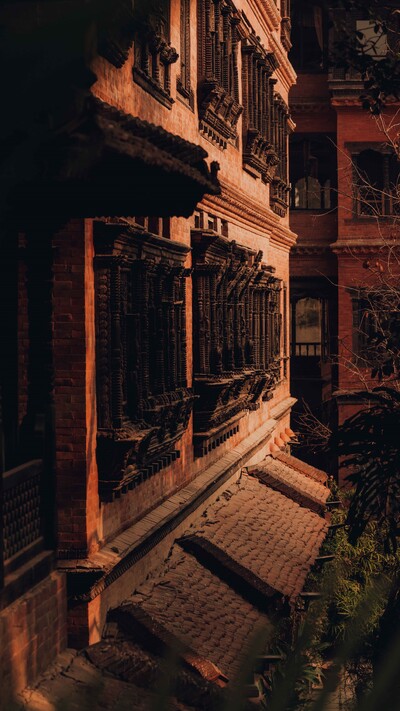
Heritage
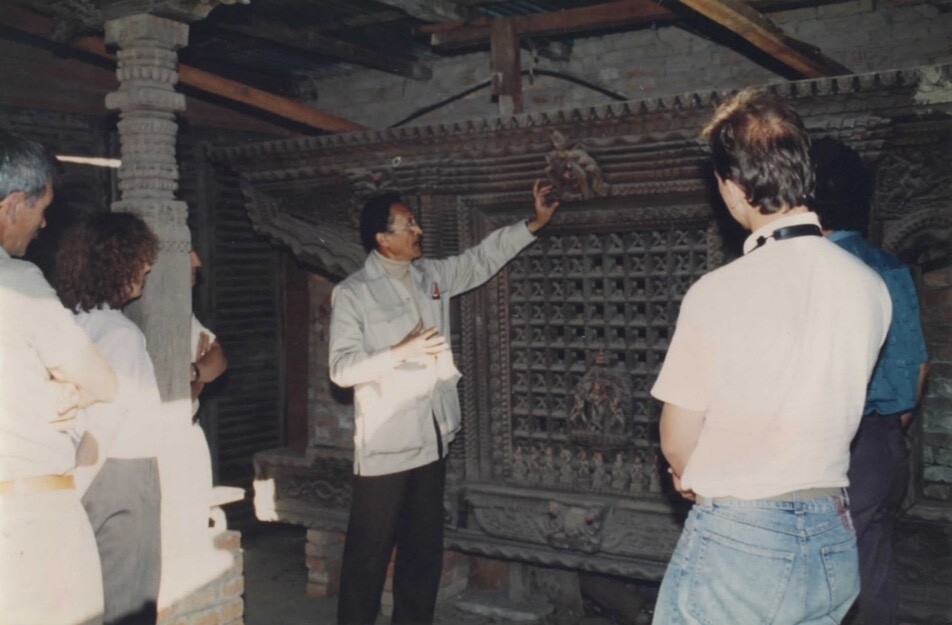
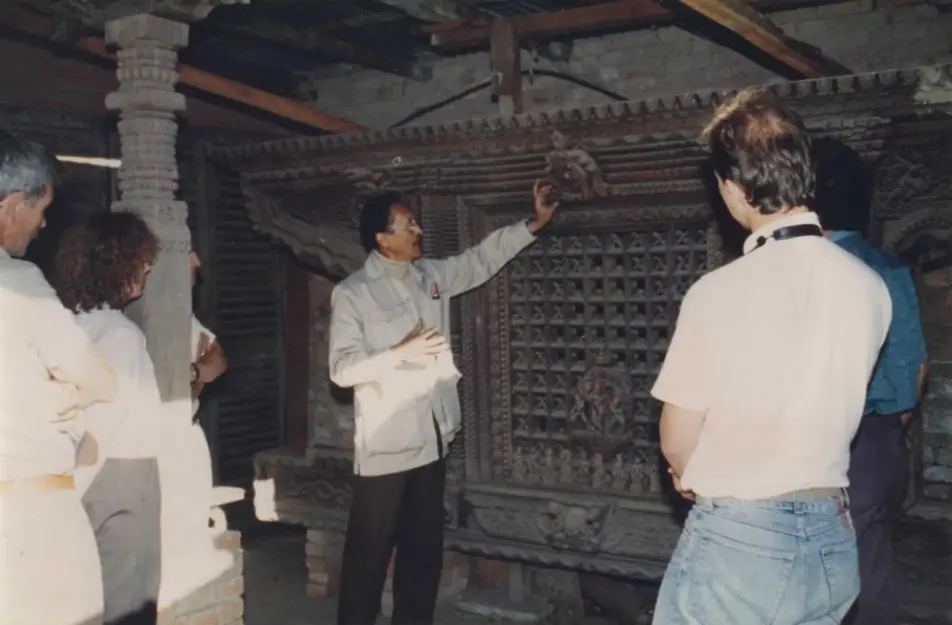
What began with a single vow has become the world’s most extensive private collection of Newari woodwork. At The Dwarika’s, heritage is not displayed behind glass, but lived in courtyards, thresholds, and daily rituals.
-
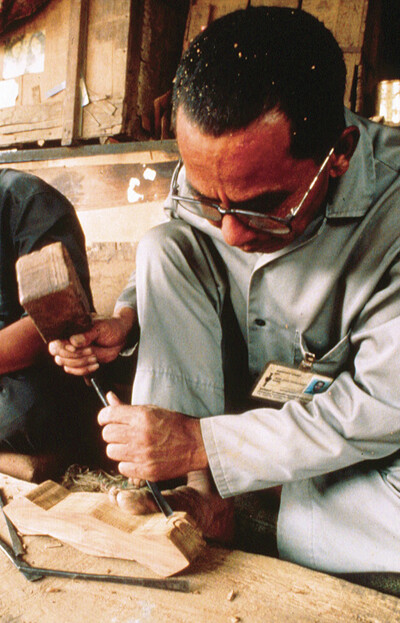
Preservation
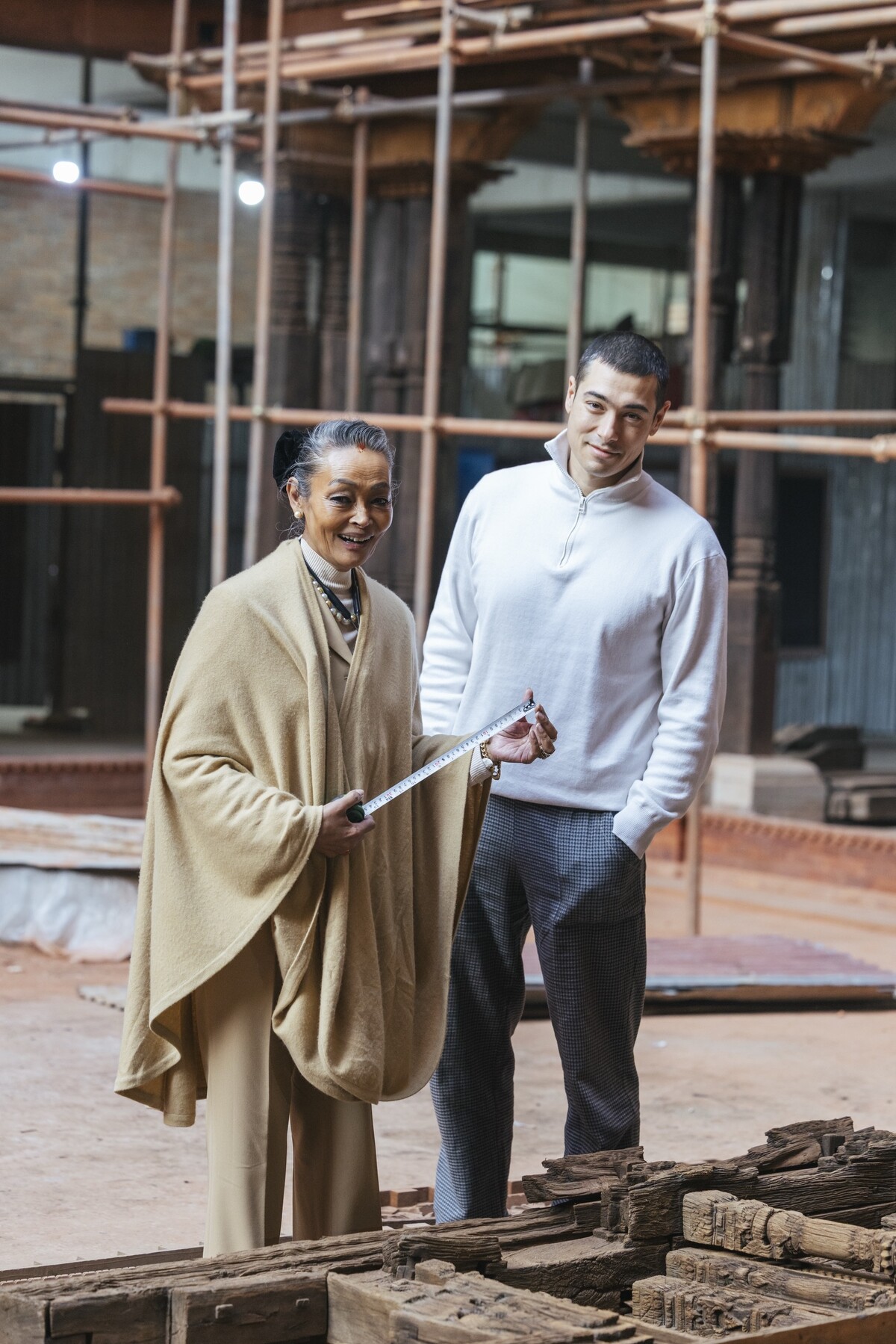
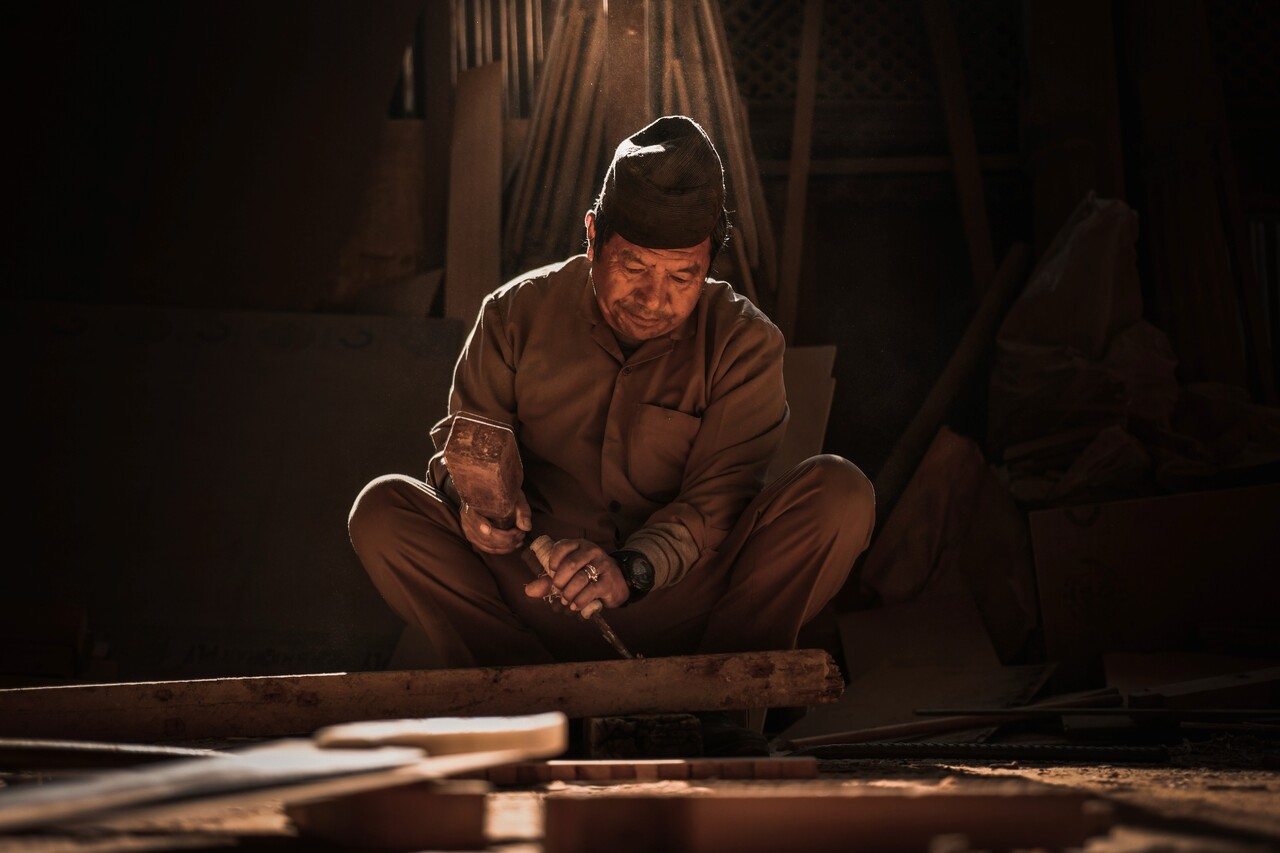
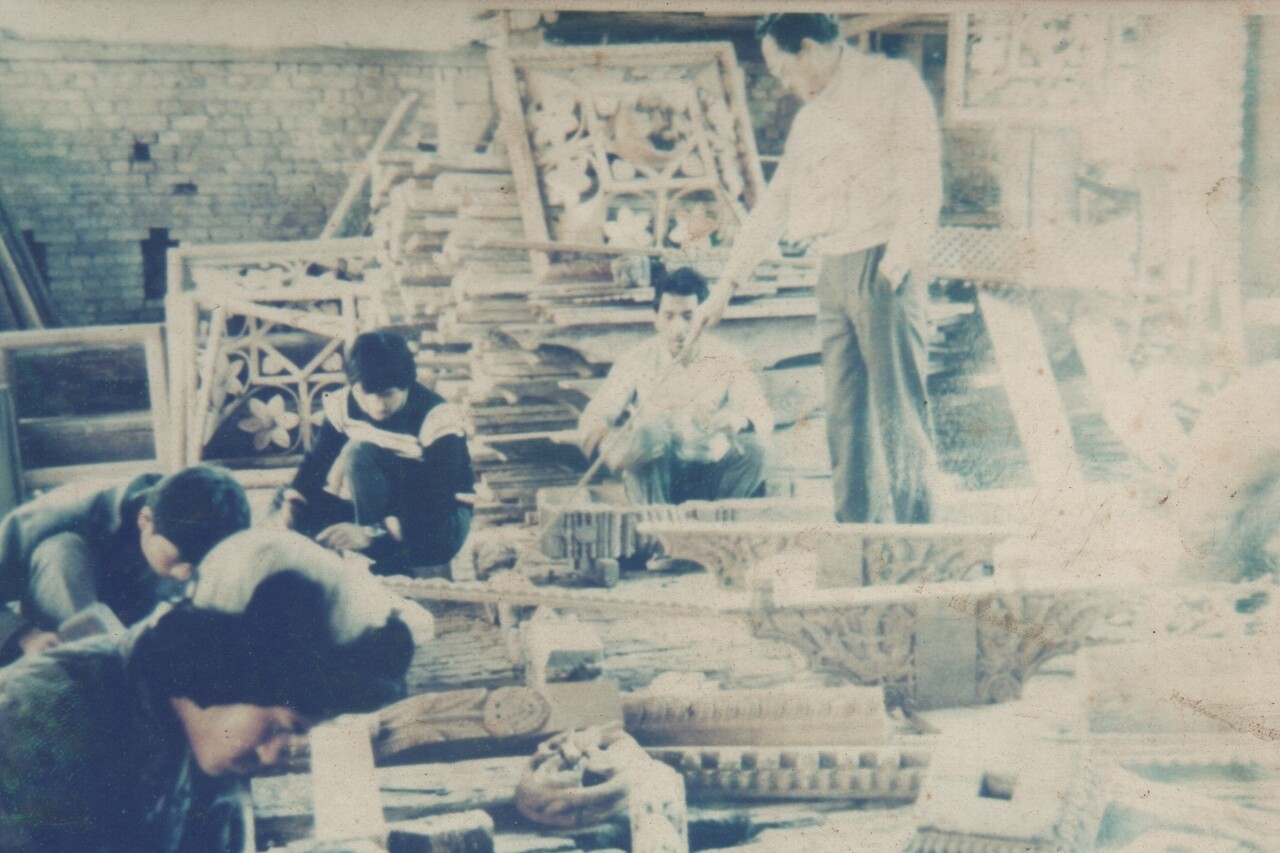
In the on-site workshop, artisans restore centuries-old beams, lattices, and pillars with the same chisels and techniques as their forebears. Each stay supports a living tradition of craft that might otherwise be lost.
-
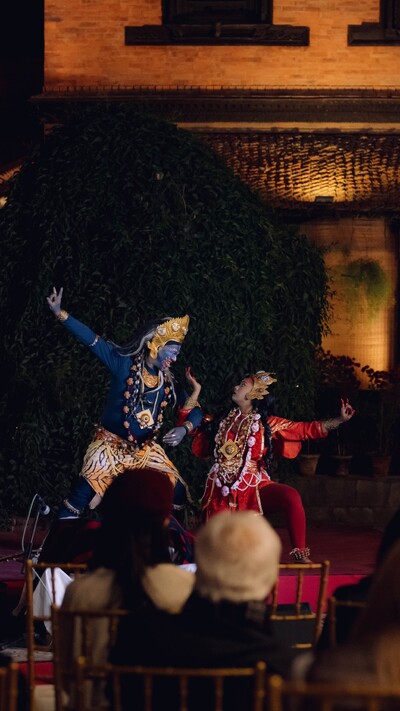
Revival
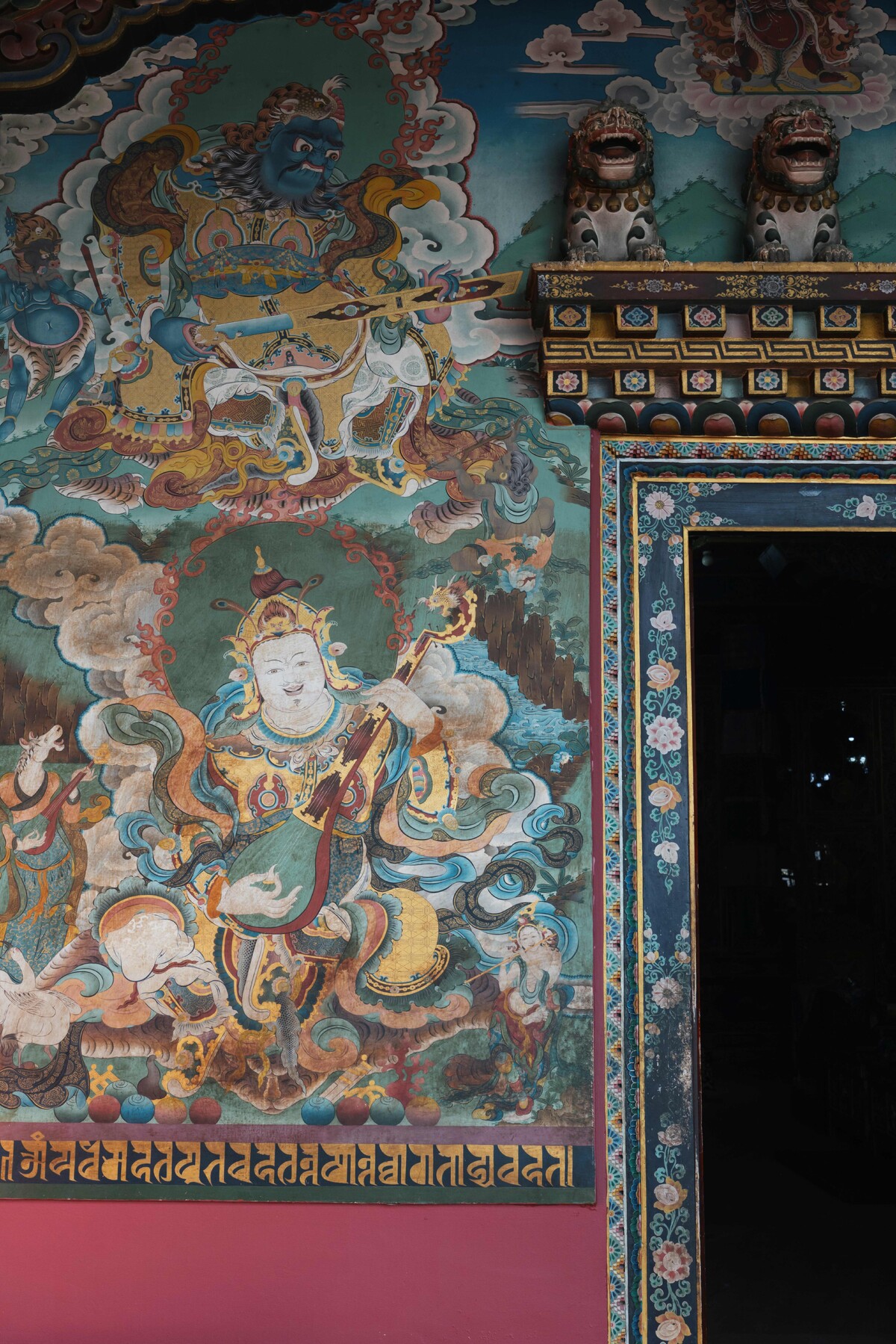
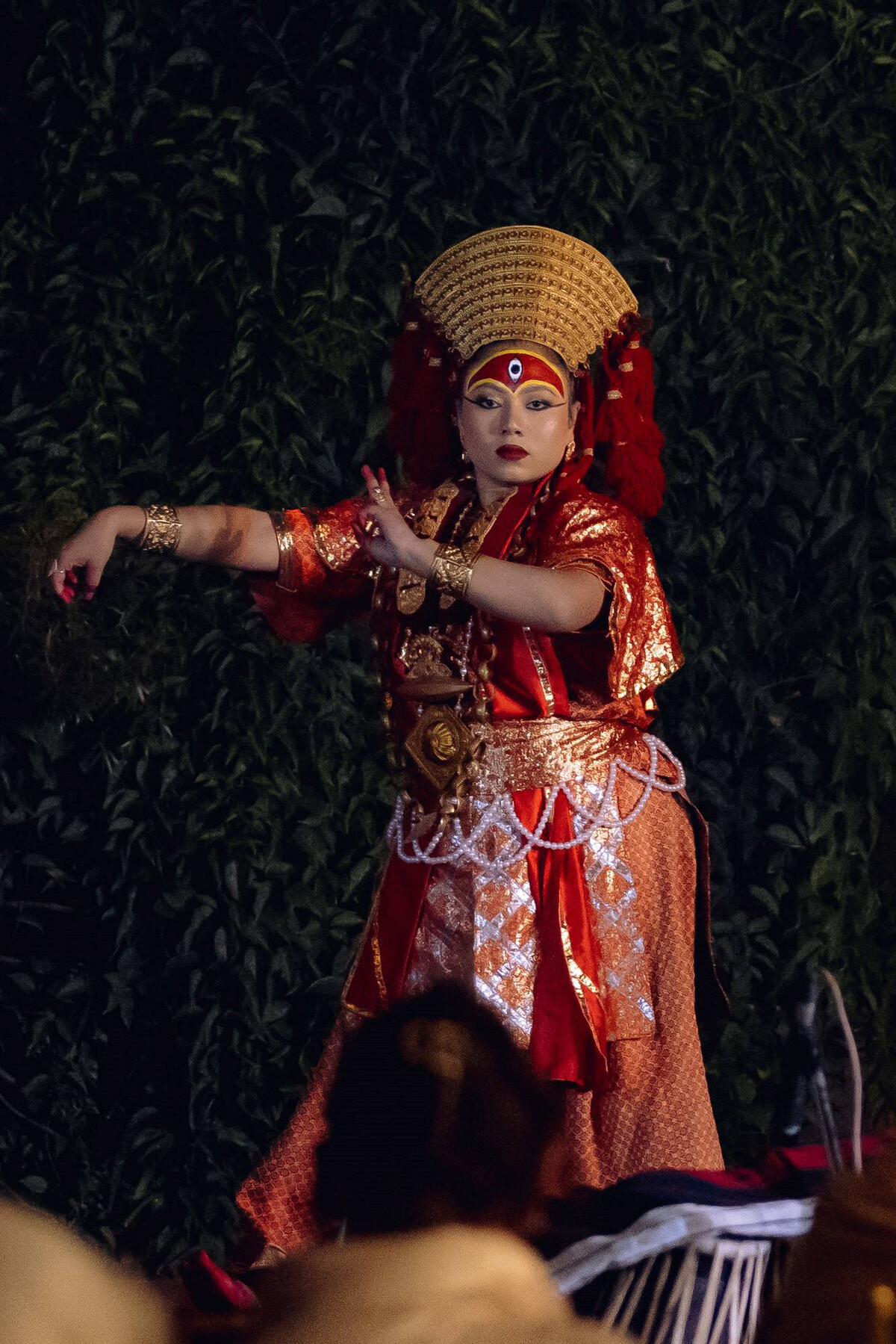
Culture here is not fossilised — it breathes. From temple rituals to seasonal festivals, The Dwarika’s keeps ancestral practices alive in ways that remain relevant, evolving, and woven into everyday life.
-
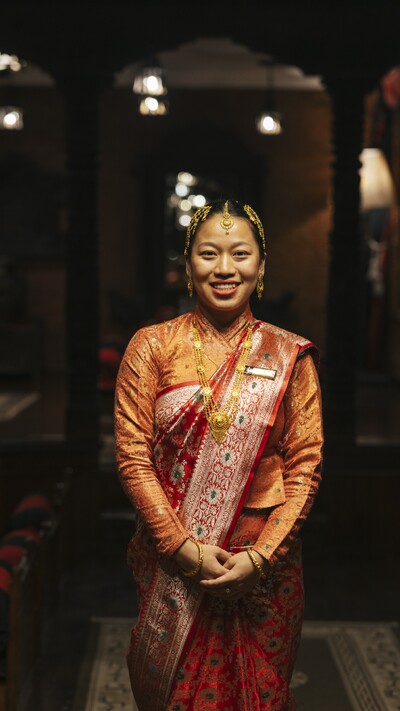
Hospitality
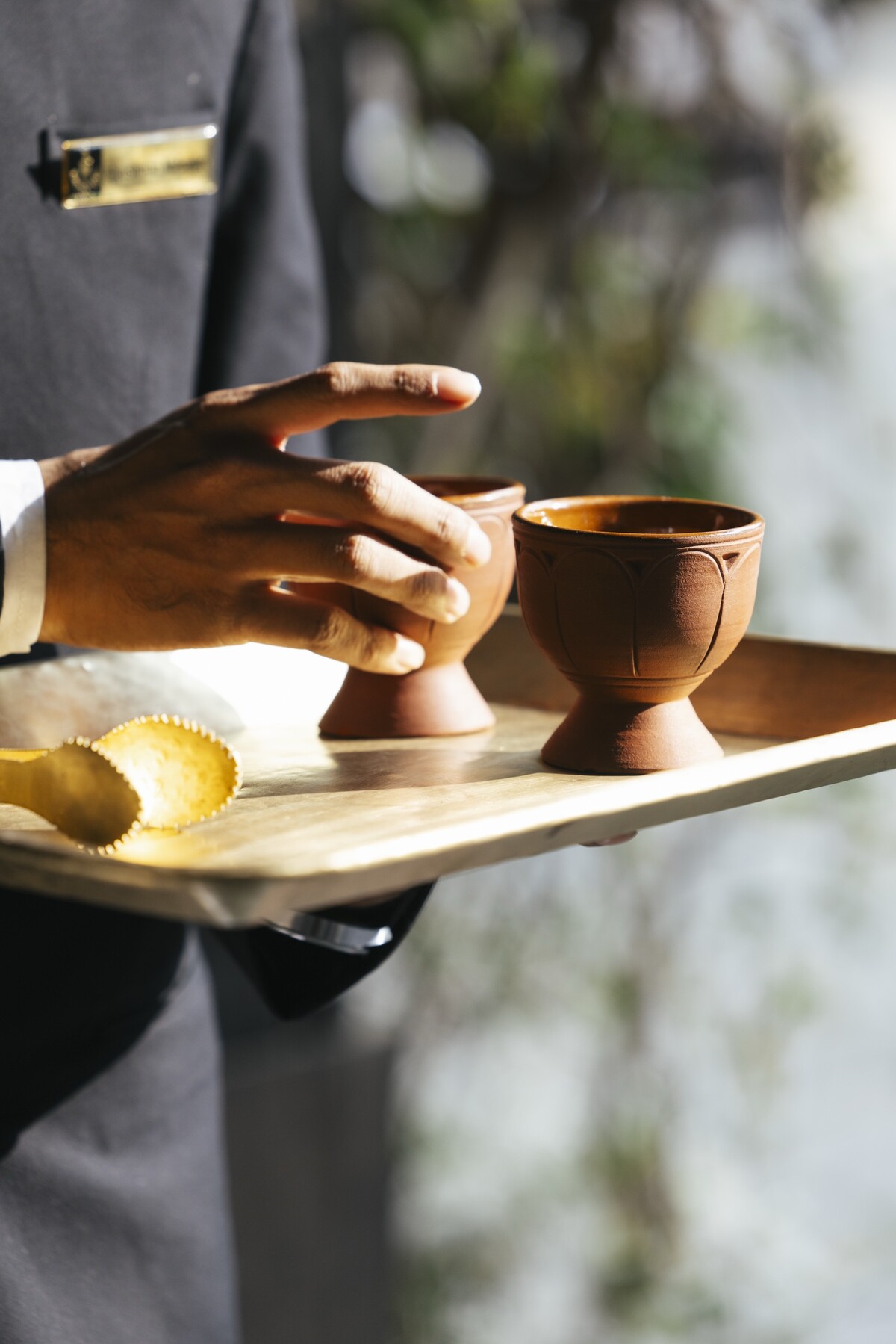
For three generations, the Shrestha family has welcomed guests with craft and care. At both Kathmandu and Dhulikhel, hospitality is offered as stewardship — generous, regenerative, and Nepali at heart.